怎么做会得到三宝的加持?
点击收听英文朗诵
佛的身体是无边无际的,佛的愿力是无边无际的,佛的慈悲也是无边无际的。但是这个世界是有漏的,所以要想利益众生,还是需要条件的。
佛是无处不在的,我们不见佛,是因为我们自己的业障太重。所以我们信佛的人要努力修到一定程度,才能够悟佛的理;悟了佛的理,要到一定程度,智慧眼才会开,这个智慧又离不开福德资粮,要有很殊胜的福报,才能开智慧,才能见到诸佛菩萨。
所以要用种种的波罗蜜、乃至无漏的清净功德去熏我们的有漏,熏我们的无明。就像一个患者一样,知道自己生病了,就会非常细心地配合着医生的教导:用药、忌口、调整生活规律……

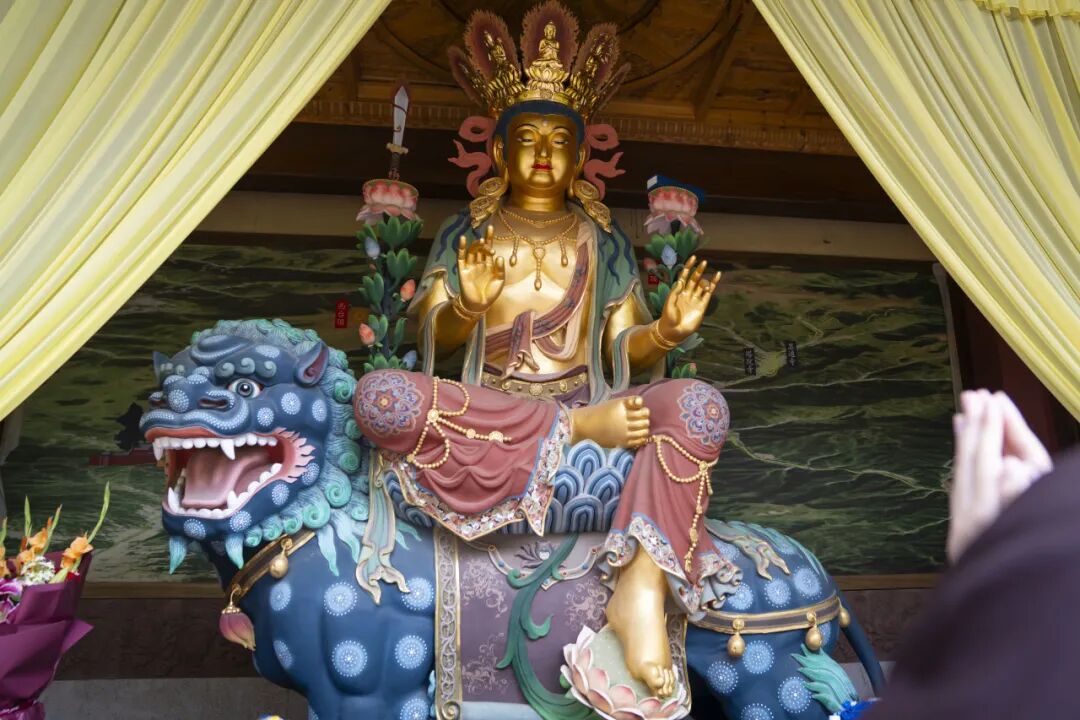


佛教的修行也是这样。在佛陀的时代,无论是谁,只要依着佛陀的教导,都是可以证果的。哪怕我们身处末法时代,如果我们依着佛陀的教导细致地修行,也是可以解脱的。实际上并没有时代的局限,文殊菩萨也讲到,佛子如果能依教修行,个个能证果得道。
但是越往后面的时代,我们的五脏六腑里开始积淀毒素,神经系统开始变得麻木,松果体也开始起壳包浆了,所以那时候觉悟、修行会越来越困难。
师父也说过,“以后阿罗汉都不敢来了。”因为阿罗汉本身就是自了的,如果投胎到众生浊恶比较重的时代,他都不能自了,还怎么度众生呢?
如果是菩萨来投胎,那就不一样了,因为衪是带着资粮来的。虽然投到人胎里来,但是衪的菩提心的功德资粮是周遍的,是无孔不入的。
菩萨一旦触到这个机之后,衪的功德体就会反过来给衪灌顶,就能把衪的气脉洗干净。从先天的厚重的福德转为后天的理性,然后安住在修法里,一旦开启了修法的功能,世间众生的业力就没办法障碍衪的。所以衪不但自己能恢复善根,还能无碍地度众生。
天台宗把佛陀的教法分有五乘(人天乘、声闻乘、缘觉乘、菩萨乘、佛乘),第一个就是人天乘。如果人天的文化昌盛,人天增上,这个地球就还是一个可以修行的地方;如果人道乱了,圣贤文化没落了,没有人天增上,都变成贪嗔痴的世界了,那就不堪修行了。
实际上我们人在六道里,福没有天人大,苦也没有三恶道的多,苦乐参半,是最容易思维修行的。以前,中国老百姓都是确信有天神、玉帝、灶神、门神的。实际上这些文化属于人天乘的范畴,现在这种文化越来越没落了。
所以,我们修行也是在改变自己的习气,戒恶修善,培养慈、悲、喜、舍四无量心,发菩提心。乃至为了信、为了愿,难行能行,难忍能忍,这才形成了大乘的功德力。大乘功德力恰恰是无我的,小乘是证无我,大乘是行无我。




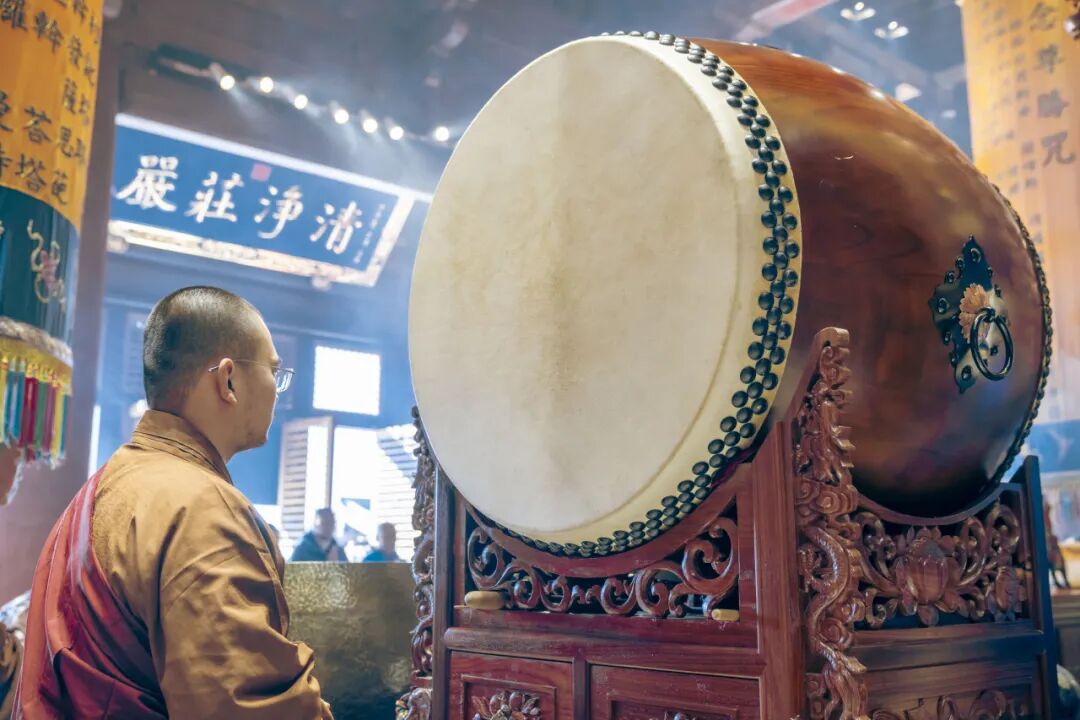


修行为什么可以改变命运?因为我们是佛弟子,当我们依教奉行的时候,就会得三宝的加持。
就像持戒一样,持戒的这个体是佛的体,我们如是行的时候,就会转有漏为无漏业,成为无漏的功德。禅定也是这样的,世间的禅定是有漏的,但是有了三宝的加被就不一样了,实际上连声闻缘觉的果位都是佛陀的力量所化的。
所以,我们行佛法,肯定也会得佛陀的加持,也会转为无漏的功德。
ENGLISH
向上滑动阅览完整版英语翻译
By diligently following the teachings, one will receive the blessings of the Three Jewels.
The Buddha's body is boundless and infinite, the Buddha's vow power are boundless and infinite, and the Buddha's capacities are also boundless and infinite. However, this world is characterized by outflows (asrava), so to benefit sentient beings, certain conditions are still necessary.
The Buddha is omnipresent, yet we do not perceive the Buddha because our own karmic obstructions are too heavy. Therefore, those of us who have faith in the Buddha must strive in our cultivation to a certain level before we can awaken to the principle of the Buddha; having awakened to the principle of the Buddha, we must reach a certain level before the eye of wisdom will open...
Thus, we must employ various paramitas—even the undefiled pure merit and virtue—to permeate our defiled nature, and permeate our ignorance. It is just like a patient who, upon realizing they are ill, will meticulously comply with the physician's instructions: taking medicines, observing dietary restrictions, adjusting one's lifestyle patterns...
Buddhist practice is likewise. In the time of the Buddha, no matter who they were, as long as they followed the Buddha's instructions, they could attain enlightenment. Even though we find ourselves in this Dharma-ending Age, if we meticulously practice in accordance with the Buddha's teachings, we can still achieve liberation. In truth, there is no limitation imposed by the era; as Manjusri Bodhisattva has taught, disciples of the Buddha who practice in accordance with the teachings, each and every one can attain enlightenment and the Way.
However, as we progress into later ages, toxins begin to accumulate in our internal organs, our nervous system grows numb, and even the pineal gland starts to form shells and patina. Consequently, in those times, awakening and practice become increasingly difficult.
The Master has also said, "In the future, even Arhats will not dare to come." For an Arhat is one who has attained liberation for themselves alone. If they were to take rebirth in the Dharma-ending Age where sentient beings are so turbid and afflicted, they would be unable to achieve their own liberation—how then can they save sentient beings?
If it is a Bodhisattva who comes to take rebirth, then it is different, for they arrive endowed with provisions. Although they are born into a human form, the merits and virtues of their bodhicitta are all-pervading, penetrating without obstruction.
Once a Bodhisattva encounters the right conditions, their body of merit and virtue will in turn empower them, purifying their channels and winds. The innate, profound merits transform into acquired discernment, abiding stably in the practice. Once the functions of the practice are activated, the karmic forces of worldly sentient beings can no longer obstruct them. Thus, not only can they restore their own wholesome roots, but they can also guide sentient beings to liberation without hindrance.
The Buddha's teachings encompass the five vehicles (the Human and Deva Vehicle, the Sravaka Vehicle, the Pratyekabuddha Vehicle, the Bodhisattva Vehicle, and the Buddha Vehicle). The first is Human and Deva Vehicle. If the culture of humans and devas flourishes and the influences of humans and devas prevail, this earth remains a place conducive to practice; but if the human realm falls into chaos, the culture of sages and worthies declines, and there is no upward progress in the human and celestial realms, the world becomes one dominated by greed, hatred, and delusion—then it becomes untenable for practice.
In reality, among the six realms, we humans do not possess fortunes as vast as those of celestial beings, nor do we endure sufferings as intense as those of the three lower realms. Our human realm is woven with equal strands of suffering and pleasure, thus it becomes the most favorable ground for contemplation and cultivation. In the past, ordinary Chinese folk firmly believed in celestial deities, the Jade Emperor, the kitchen god, and the door guardians. In truth, these cultural elements fall within the scope of the vehicle of humans and devas, yet such traditions are increasingly fading today.
Therefore, our practice also involves transforming our habitual tendencies, abandoning evil and cultivating goodness, nurturing the four immeasurable minds of loving-kindness, compassion, sympathetic joy, and equanimity, and generating bodhicitta. And for the sake of faith and aspiration, we endure what is difficult to endure and undertake what is difficult to undertake—this is what forges the power of Mahayana merits and virtues which precisely embody the practice of selflessness: the Hinayana realizes selflessness, while the Mahayana enacts selflessness.
Why can practice alter one's destiny? Because we are disciples of the Buddha; when we diligently follow the teachings and put them into practice, we receive the blessings and empowerment of the Three Jewels.
It is like upholding precepts: the essence of one who upholds precepts is the Buddha's essence. When we act accordingly, we transform defiled karma into undefiled karma, becoming un defiled merit and virtue. The same holds for meditative concentration: mundane samadhi is conditioned, but with the blessings of the Three Jewels, it is entirely different. In fact, even the attainment of sravakas and pratyekabuddhas are manifestations of the Buddha's power.
Thus, when we practice the Buddha Dharma, we will surely receive the Buddha's blessings and transform our actions into undefiled merit and virtue.
英文翻译:智航
英文朗诵:智杰


- 相关文章
- · 十二月 | 冬辰拥瑞,岁阳启新
- · 佛法离不开实修实证
- · 苦海无解,幸好有祂“有感遂通”
- · 【农历十月十一】憨山大师圆寂纪念日
- · “学法规、守戒律、重修为、树形象”——善护身口意是出家僧人学修之本
- · 纪念梦参长老圆寂八周年〡行愿无尽 百年垂范
- · “指”与“月”都很重要
- · 在寺院里,如何打开“业报身”的封印
- · 相信圣贤,是心中有德的显现
- · 一行禅师纪念日 | 50年代出现在邮票上的“科学家、数学家”高僧
- · 寒衣节 | 最寒冷的季节 最温暖的思念
- · 恭迎药师佛圣诞|琉璃光曜,普照十方
- · 恭迎观世音菩萨出家日 | 出家,出尘,入圆通
- · 恭迎摩利支天菩萨圣诞 | 这位菩萨,亦是观世音菩萨的变化相
- · 谛闲大师 | 这几种恩,需先识得
- · 中秋圆满|与你共赴,中国人那轮最美的“月圆”
- · 中秋佳节,恭迎月光菩萨圣诞〡月光遍照处,诸事尽圆满
- · 中秋 恭迎月光菩萨圣诞 | 月映千江,光照正觉
- · 庆新中国七十六华诞 I 喜迎佳节,佛佑吉祥
- · 喜迎华诞,国泰民安